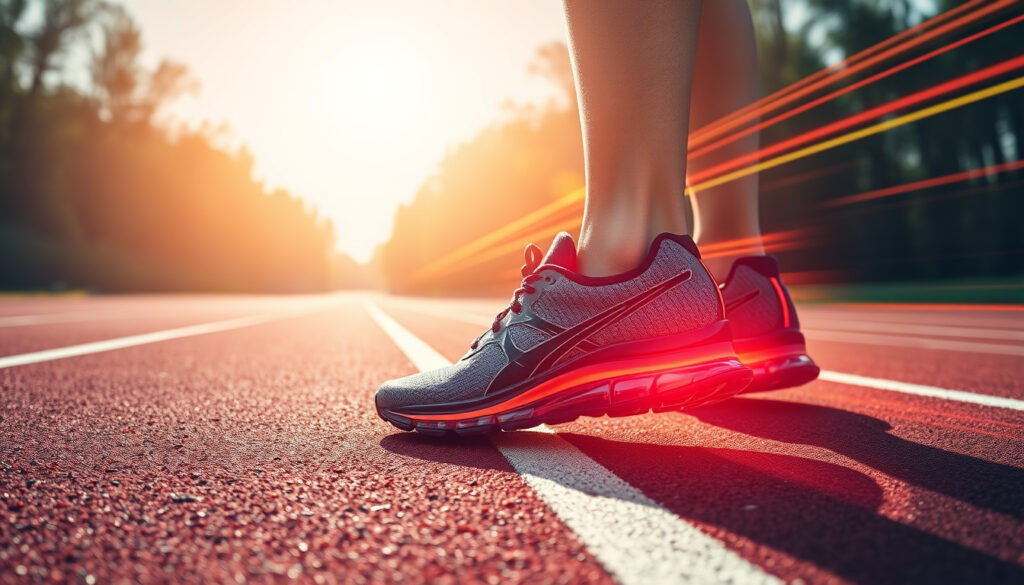
Carbon Plate Running Shoes: Pros, Cons & Worth It
If you’ve watched any major marathon in recent years, you’ve probably noticed something different about the shoes the leaders are wearing. Carbon-fiber plates sandwiched in thick foam midsoles have reshaped competitive racing, and now they’re filtering down to recreational runners asking a simple question: are these shoes actually worth the premium price tag for non-elites? Research from lab tests, studies, and expert reviews suggests the answer is more nuanced than the marketing hype.
Running Economy Gain: 4-6% ·
Marathon Time Savings: 2-3 min ·
Top All-Rounder: Adidas Adizero Adios Pro 4 ·
Best Stability: Saucony Endorphin Pro 5
Quick snapshot
- 4-6% running economy improvement (Marathon Handbook)
- 50% stiffer than non-plated shoes (RunRepeat)
- Recreational runners benefit as much as elites (Run4It)
- Exact weight thresholds for heavy runners
- Long-term injury data beyond 2025 studies
- Performance at slower training paces
- Carbon super-shoe comparisons from Doctors of Running (2020)
- Plate stabilization research (Agresta et al., 2022)
- Yang et al. injury risk study (2025) (Doctors of Running (2020))
- Growing accessibility for non-elite racers
- New models with carbon-infused rods instead of full plates
- Continued refinement of stability in high-stack designs
| Specification | Value | Source |
|---|---|---|
| Primary Use | Race day and tempo training | Runner’s World |
| Top Brands | Nike, Adidas, Asics, Hoka | Runner’s World |
| Running Economy Improvement | 4-6% | Marathon Handbook |
| Marathon Time Savings | 2-3 minutes | Marathon Handbook |
| Lifespan | 300-500 km | RunRepeat |
| Average Weight (UK 9) | 187g (Asics Metaspeed Edge Tokyo) | The Run Testers |
| Price Range | $200-$280 | Baptist Health |
What does a carbon plate in running shoes do?
How carbon plates improve propulsion
Carbon plates are rigid fibers embedded in the midsole that serve as a structural backbone for super shoes. Lab tests show carbon-plated shoes are 50% stiffer than non-plated models, yet the foam cushioning is 16% softer (RunRepeat Lab Tested Data). This combination creates a lever effect at the ankle joint that helps propel the foot forward during toe-off.
The rocker geometry in carbon-plated shoes also reduces the work your calf muscles must do at toe-off, which is why many runners report less fatigue in their lower legs during fast-paced efforts. Midsole measurements reveal these shoes have a narrower platform—111mm at the forefoot and 84.9mm at the heel on average—than traditional trainers, which contributes to their efficient but less stable feel (RunRepeat).
Energy return mechanics
The distinction matters for understanding how these shoes actually work:
- Plates stabilize foam midsoles so the material itself can compress and spring back more effectively
- The carbon fiber stiffens the metatarsophalangeal (toe) joint, improving overall stride efficiency
- Some super shoes use carbon-infused rods instead of full plates, achieving similar effects
Research from Doctors of Running (2020) confirms that plates facilitate motion rather than directly return energy—the foam does the energy storage work, while the plate ensures consistent rebound mechanics. This is why only shoes with special nitrogen-infused or supercritical foams show major running economy differences compared to non-plated models.
“Plates stabilize the foams and help facilitate motion, rather than return it.”
— Doctors of Running (Scientific Studies on Mechanism, 2020)
“The notion that carbon-plated running shoes are only for elites is simply not true.”
— Run4It (Running Retailer Expert Analysis)
“Adidas Adizero Adios Pro 4 [is the] best overall” carbon-plated running shoe.
— Runner’s World (The 8 Best Carbon Plate Running Shoes for Racing)
Carbon-Plated Running Shoes: Pros and Cons
Upsides
- 4-6% running economy improvement (Marathon Handbook)
- Reduced effort and fatigue during fast paces
- Rocker geometry eases calf strain at toe-off
- May reduce knee load during speedwork (Yang et al., 2025)
- Potential injury prevention through better form
Downsides
- Premium cost: $200-$280 vs $80-120 for daily trainers
- Reduced durability: 300-500 km lifespan vs 500-800 km for trainers
- Unstable on uneven terrain, sharp turns, slow paces
- Not ideal for heel strikers
- Risk of injury from overusing in daily training
The trade-off is stark: you gain performance but lose versatility. RunRepeat’s lab testing confirms these shoes are optimized for specific conditions—they perform best on flat roads at race-day paces, not the variable terrain of everyday running. The narrow platforms and soft foams that make them fast also make them precarious for walking or navigating anything other than smooth racecourse surfaces.
Are carbon-plated running shoes worth it?
Value for non-professionals
Here’s the surprising part: recreational runners may actually benefit more from carbon-plated shoes than elites. Run4It (Running Retailer Expert Analysis) notes that “carbon-plated shoes might improve a recreational runner’s running economy to an even greater extent than they would for an elite”—because non-elites have greater room for improvement in baseline biomechanics.
Runners targeting half-marathons and marathons see meaningful gains: a 4-6% improvement in running economy translates to 2-3 minutes saved on marathon distance. For recreational racers, that’s the difference between a personal best and an average finish.
Cost vs performance gains
Runners should weigh the investment carefully:
- Shoes priced at $200-$280 with 300-500 km lifespan equals roughly $0.40-$0.90 per kilometer
- Daily trainers cost $80-120 with 500-800 km lifespan
- Benefits only materialize at race-day and tempo paces—not daily training speeds
The Baptist Health medical perspective confirms the core advantages (improved economy, reduced effort, better form, faster times) but also flags the cons: expensive pricing and less durability compared to traditional trainers. For runners who regularly race half-marathons or marathons, the marginal gains accumulate meaningfully over a season. For casual 5K runners or those planning to use them for daily training, the premium cost is harder to justify.
Carbon-plated shoes are race-day instruments, not everyday trainers. Using them for your daily miles wastes their limited lifespan and increases injury risk without capturing the performance benefits they were designed for.
Who should wear carbon plate shoes?
Ideal for racers and tempo runs
Run4It (Running Retailer Expert Analysis) puts it bluntly: “The notion that carbon-plated running shoes are only for elites is simply not true.” These shoes work for a wide range of abilities in half-marathons and marathons. The ideal user profile includes:
- Forefoot and midfoot strikers who already run at race-day paces
- Runners competing in half-marathons and marathons where marginal gains accumulate
- Athletes who can afford the premium and have the discipline to save them for race day
Runner’s World ranks the top performers: Adidas Adizero Adios Pro 4 as best overall, Asics Metaspeed Edge Tokyo for midrace performance, Saucony Endorphin Pro 5 for best stability. For those prioritizing cushioning, Hoka Cielo X1 3.0 leads that category.
Options for heavy runners
Heavy runners—those significantly above average body weight—face additional considerations:
- Look for wider platforms: Hoka Cielo X1 3.0 offers best cushioning stability
- Saucony Endorphin Pro 5 provides best stability among carbon-plated options
- The narrower heel platform (84.9mm avg vs 91.1mm for non-plated) can feel precarious at higher weights
The narrow platforms that make these shoes efficient also compromise stability, which heavier runners need most. Trying them on before purchase and testing during walking and easy jogging helps identify fit issues before race day.
Can beginners use carbon plate shoes?
Risks for new runners
Carbon-plated shoes aren’t designed for beginners in most cases. The combination of high stack heights, narrow platforms, and ultra-soft foams makes them unstable during the slow, uneven paces of early training. RunRepeat’s lab analysis confirms these shoes are “unstable for walking, sharp turns, and uneven terrain”—conditions beginners frequently encounter during their first months of running.
New runners learning proper form will struggle with carbon-plated shoes. The highly rockered geometry and soft cushioning reduce feedback from the ground, which is essential feedback for developing running mechanics. Focus on building consistent form with daily trainers first.
When to avoid daily use
Even experienced runners should avoid using carbon-plated shoes for daily training:
- The 300-500 km lifespan makes them too expensive for high-volume training
- Benefits only materialize at tempo and race-day paces—slow training miles waste the technology
- Overuse increases injury risk: the Yang et al. 2025 study suggests reduced knee load at speed, but daily wear may reverse these benefits
Medical experts at Baptist Health confirm the injury risk from overuse, noting potential injuries if carbon-plated shoes are worn too frequently. Reserve them for race day and occasional tempo sessions where their performance advantages are actually realized.
These technical distinctions matter because they explain why carbon-plated shoes serve a specific purpose rather than replacing daily trainers entirely.
| Specification | Carbon-Plated | Non-Plated | Source |
|---|---|---|---|
| Stiffness | 61.3N | 25.3N | RunRepeat |
| Forefoot Width | 111mm | 114mm | RunRepeat |
| Heel Width | 84.9mm | 91.1mm | RunRepeat |
| Torsional Rigidity | 4.5 | 3.1 | RunRepeat |
| Bend Force (30°) | 22.7N | 13.1N | RunRepeat |
| Primary Use | Race/tempo | Daily training | Runner’s World |
The implication: these measurable differences in stiffness and geometry explain why carbon-plated shoes deliver specific performance benefits but require careful usage protocols.
How to choose a carbon fiber plate running shoe
Step 1: Assess your race distance and goals
Carbon-plated shoes make the most sense for half-marathon and marathon runners where the 4-6% running economy improvement translates to measurable time savings. For 5K and 10K racers, the benefit is smaller but still present—though the investment may be harder to justify for shorter distances.
Step 2: Evaluate your running form
Runners who strike with their forefoot or midfoot get the most benefit from the rocker geometry. Heel strikers often experience instability in carbon-plated shoes because the high stack and narrow platform work against their natural gait pattern. If you’re unsure of your strike pattern, observe your wear pattern on old shoes or ask a running store specialist.
Step 3: Consider stability needs
If you need maximum stability, the Saucony Endorphin Pro 5 ranks best for that purpose (Runner’s World). Heavy runners should prioritize wider platforms like the Hoka Cielo X1 3.0. The narrow 84.9mm heel width of most carbon-plated shoes can feel precarious for larger-framed athletes.
Step 4: Match to your budget and usage plan
With a 300-500 km lifespan, carbon-plated shoes cost roughly $0.40-$0.90 per kilometer. Plan to use them exclusively for race day and a few key tempo sessions—that’s typically 2-4 uses before the foam breaks down. If that cost-per-use seems steep for your racing frequency, consider splitting time between a carbon-plated race shoe and a premium daily trainer.
Step 5: Test before you commit
Walk in them, jog easy, and take a few sharp turns before purchasing. These shoes should feel propulsive but not precarious. If you feel wobbly during easy jogging, that instability will only get worse during a marathon when fatigue sets in.
What We Know
- Carbon plates improve running economy by 4-6%
- Shoes are 50% stiffer than non-plated models
- Recreational runners benefit as much as elites
- Suitable for half-marathon and marathon distances
What Remains Unclear
- Exact weight thresholds for heavy runners
- Long-term injury data beyond Yang et al., 2025
- Performance differences between plate types at slower paces
For recreational runners targeting half-marathons and marathons, carbon-plated shoes deliver measurable performance gains that can mean the difference between a personal best and a missed goal. The investment makes sense when you’re racing regularly, but the 300-500 km lifespan demands discipline: save them for race day and key tempo sessions, not daily training miles. Beginners should build solid form with daily trainers first—carbon plates amplify both good habits and bad ones, so you’ll want the foundation in place before adding this technology to your race-day arsenal.
Related reading: Best carbon plate running shoes · Carbon-plated shoes cut in half explained and lab tested
Among premium options like the Adidas Adizero Adios Pro 4, the latest Adidas running shoes 2025 offer versatile picks for races and training alike.
Frequently asked questions
What weight is considered a heavy runner?
Heavy runners typically exceed 185 lbs (84 kg) or have a BMI over 30. These athletes benefit from wider platforms like the Hoka Cielo X1 3.0 or the Saucony Endorphin Pro 5 for better stability.
What are good shoes for heavy runners?
Wide-base carbon-plated shoes provide better stability for heavier runners. The Saucony Endorphin Pro 5 offers the most stable platform among carbon-plated options, while the Hoka Cielo X1 3.0 leads for cushioning.
Are runners skinny or muscular?
Runners come in all body types. Performance in carbon-plated shoes depends more on running form—specifically whether you’re a forefoot or heel striker—than on body composition or size.
What is the lifespan of a running shoe?
Carbon-plated racing shoes typically last 300-500 km due to the premium foam compression and plate stress. Daily trainers last 500-800 km. Track your miles and retire race shoes after 2-4 race uses or when cushioning feels diminished.
Are carbon plate running shoes banned?
Carbon-plated shoes are not banned, but World Athletics regulates stack height limits. Most recreational runners won’t encounter restrictions. Elite competition has specific requirements that most consumer models satisfy.
How to choose a carbon fiber plate running shoe?
Start with your race distance (prioritize if racing half-marathon or marathon), evaluate your strike pattern (forefoot/midfoot preferred), assess stability needs, and budget for a 300-500 km lifespan. Top picks: Adidas Adizero Adios Pro 4 (overall), Asics Metaspeed Edge Tokyo (midrace), Saucony Endorphin Pro 5 (stability).
Carbon plate running shoes: pros and cons?
Pros include 4-6% running economy improvement, reduced fatigue, and potential injury prevention through better form. Cons include premium cost ($200-$280), reduced durability (300-500 km), instability on uneven terrain, and unsuitability for heel strikers and daily training.
More related posts
 Rogers Black Friday Deals – Best Phones Plans Savings 2024
 The Art of Racing in the Rain – Summary, Ending, True Story
 Symptoms of Kidney Disease: Key Early Warning Signs
 Shoppers Drug Mart Vernon: Hours, Flyer & Locations
 TD Dividend Growth Fund – Performance, Holdings and Fees Review
 Bath & Body Works Canada – Stores, Locations, Online & Deals
 Philadelphia Roll Near Me: What’s Inside & Where to Find It
 La Roche Posay Face Wash – Best for Dry, Oily and Sensitive Skin